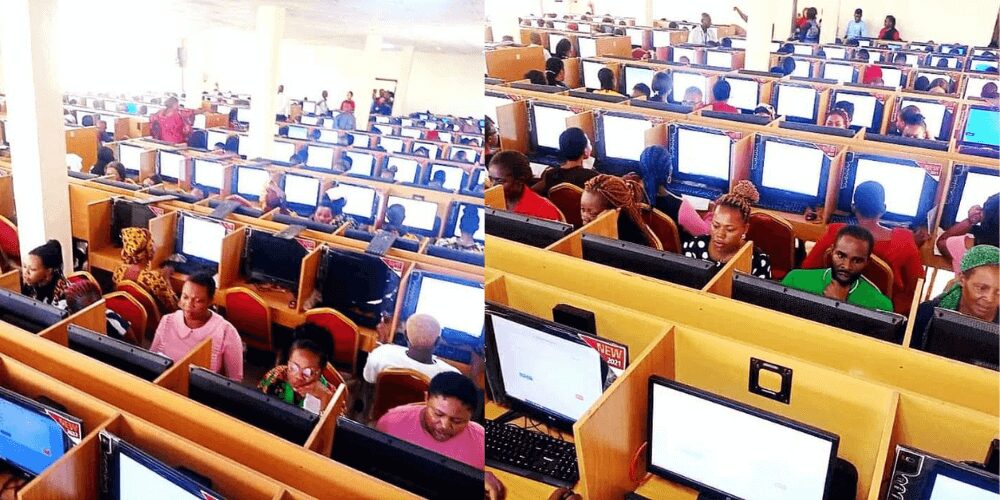
WAEC CBT Upgrade Pushes Nigerian Secondary Schools Toward ₦1.6 Trillion Infrastructure Investment. The West African Examinations Council (WAEC) has officially transitioned to Computer-Based Testing (CBT) for the 2025 WASSCE, placing immense pressure on Nigerian secondary schools to meet new digital infrastructure standards. This WAEC CBT mandate is expected to cost schools across Nigeria over ₦1.6 trillion, sparking urgent conversations around funding, feasibility, and the future of digital education.
To qualify as WAEC CBT-compliant examination centers, secondary schools must install a minimum of 250 desktop computers, a reliable server, CCTV surveillance, and a fully functional local area network (LAN). These WAEC computer requirements are non-negotiable, as WAEC Nigeria intensifies its digital transformation agenda to curb exam malpractice and streamline operations.
Market estimates show that a single desktop computer suitable for WAEC CBT exams costs between ₦250,000 and ₦300,000. For each school to meet WAEC’s infrastructure mandate, the total investment per institution could range from ₦62.5 million to ₦75 million. With over 23,000 WAEC-approved secondary schools nationwide, the cumulative cost of compliance is projected to exceed ₦1.6 trillion.
This WAEC school upgrade requirement has raised concerns among education stakeholders, especially in public and rural schools where access to electricity, internet connectivity, and technical support remains limited. While some private schools in urban areas may be able to absorb the cost, many public institutions are struggling to align with WAEC digital exam standards.
Teachers and administrators are calling for a phased implementation strategy similar to JAMB’s centralized CBT model. They argue that WAEC exam centers should be shared among schools to reduce the financial burden and ensure equitable access to WAEC computer-based testing facilities.
Without government subsidies or public-private partnerships, the WAEC CBT compliance push could lead to increased tuition fees, further marginalizing students from low-income families. The WAEC education policy shift, though progressive, risks deepening the digital divide unless strategic interventions are introduced.
WAEC Nigeria has reiterated that schools failing to meet the WAEC CBT infrastructure mandate will be assigned to external WAEC exam centers. No exemptions will be granted, and the council remains firm on its commitment to full digital migration.
As WAEC technology in education becomes the new standard, the success of this initiative will depend on inclusive planning, adequate funding, and collaborative efforts between government agencies, private investors, and school administrators. The WAEC 2025 CBT rollout is not just a test of academic readiness it’s a test of Nigeria’s commitment to digital transformation in education.