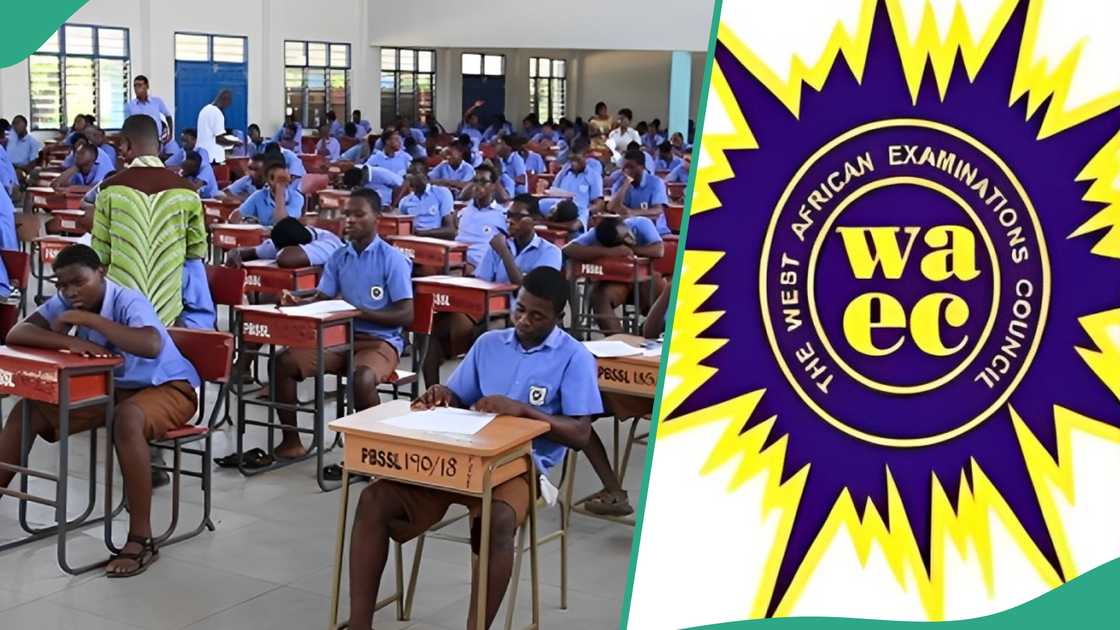
WAEC GCE Commerce Syllabus 2025/2026
The 2025/2026 WAEC GCE Commerce syllabus covers foundational topics in trade, business operations, finance, and economic institutions. It prepares candidates for careers in business, entrepreneurship, and commercial law.
This syllabus is designed for candidates preparing for the West African Senior School Certificate Examination (WASSCE) for Private Candidates (GCE). It emphasizes both theoretical understanding and practical application of commercial principles.
Scheme of Examination
- Paper 1: Objectives
- 50 multiple-choice questions
- Duration: 1 hour
- Marks: 50
- Paper 2: Essay
- Section A: Four theory questions; answer two
- Section B: Five application-based questions; answer three
- Duration: 2 hours
- Marks: 100
Core Syllabus Topics
1. Introduction to Commerce
- Meaning and scope
- Relationship with economics, accounting, and business studies
- Occupations: industrial, commercial, and services
2. Production
- Types: primary, secondary, tertiary
- Factors of production
- Division of labour and specialization
3. Trade
- Home trade: wholesale and retail
- Foreign trade: import, export, entrepôt
- Barriers to trade and trade promotion
4. Business Units
- Sole proprietorship, partnership, joint-stock companies
- Co-operatives, public enterprises
- Formation and characteristics
5. Financing Business
- Sources of finance: personal savings, loans, shares
- Banking: commercial, central, development banks
- Insurance: principles, types, and importance
6. Transportation and Communication
- Modes of transport: land, air, water
- Importance and challenges
- Communication tools: postal, telecommunication, internet
7. Warehousing
- Types: private, public, bonded
- Functions and importance
- Role in distribution
8. Advertising and Sales Promotion
- Types and media
- Advantages and limitations
- Ethics in advertising
9. Consumer Protection
- Rights and responsibilities
- Agencies and laws
- Redress mechanisms
10. Business Documents
- Invoices, receipts, statements, order forms
- Functions and uses in transactions
11. Office Practice
- Types of offices
- Functions and layout
- Filing systems and equipment
12. Legal Aspects of Business
- Contracts: elements and types
- Commercial laws and regulations
- Agencies of enforcement
13. E-Commerce and Digital Trade
- Online buying and selling
- Payment systems: mobile money, e-wallets
- Cybersecurity and digital ethics
Sample Questions
Objective Example:
Which of the following is a tertiary occupation?
- Farming
- Mining
- Teaching
- Manufacturing
Answer: C. Teaching
Essay Example:
Explain five differences between home trade and foreign trade.
Answer Tip: Focus on scope, currency, documentation, transportation, and legal regulations.