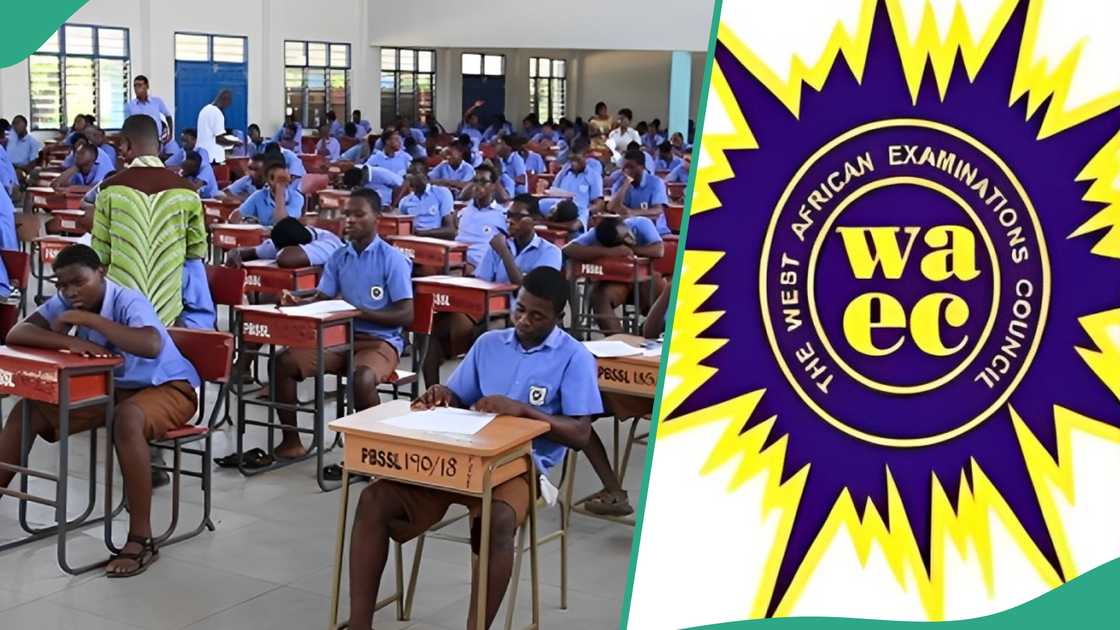
WAEC GCE Financial Accounting Syllabus 2025/2026
The 2025/2026 WAEC GCE Financial Accounting syllabus includes topics such as accounting principles, ledger entries, final accounts, control accounts, and depreciation. The exam consists of two papers: multiple-choice and essay-based questions.
This syllabus is designed for candidates preparing for the West African Senior School Certificate Examination (WASSCE) for Private Candidates (GCE). It aims to test candidates’ understanding of accounting principles and their ability to apply them in recording and interpreting financial transactions.
Scheme of Examination
- Paper 1: Objectives
- 50 multiple-choice questions
- Duration: 1 hour
- Marks: 50
- Paper 2: Theory
- Section A: Five essay questions on theory; answer two (15 marks each)
- Section B: Five essay questions on accounting practice; answer three (15 marks each)
- Duration: 2½ hours
- Marks: 80
Core Syllabus Topics
1. Introduction to Financial Accounting
- History, nature, and functions of accounting
- Users and characteristics of accounting information
- Stages in the accounting process
2. Accounting Equation and Double Entry Principles
- Accounting equation
- Source documents and their functions
- Subsidiary books and ledger classification
- Cash book and petty cash book
- Trial balance preparation
- Bank reconciliation statements
- Correction of errors and suspense accounts
3. Accounting Concepts
- Meaning, types, significance, and limitations
- Examples: accrual, consistency, going concern, matching, prudence
4. Final Accounts of a Sole Trader
- Trading, profit and loss accounts
- Balance sheet/statement of financial position
- Adjustments: depreciation, provisions, reserves
5. Provisions and Reserves
- Provision for doubtful debts and discounts
- Depreciation methods: straight-line, reducing balance, sum-of-years digits
- Revenue and capital reserves
6. Manufacturing Accounts
- Purpose and structure
- Cost classification
- Final accounts of manufacturing concerns
7. Control Accounts and Self-Balancing Ledgers
- Meaning and uses
- Sales and purchases ledger control accounts
- Reconciliation of control accounts
8. Single Entry and Incomplete Records
- Limitations and conversion to double entry
- Computation of profit/loss from balance sheets
- Preparation of final accounts from incomplete records
Sample Questions
Objective Example:
Which of the following is a source document?
- Trial balance
- Invoice
- Ledger
- Balance sheet
Answer: B. Invoice
Theory Example:
Explain the difference between provision for doubtful debts and bad debts written off.
Answer Tip: Provision is an estimate for future losses; bad debts are actual losses already incurred.
Practice Example:
Prepare a trading, profit and loss account and balance sheet from the following data: sales ₦500,000, purchases ₦300,000, expenses ₦50,000, closing stock ₦80,000.