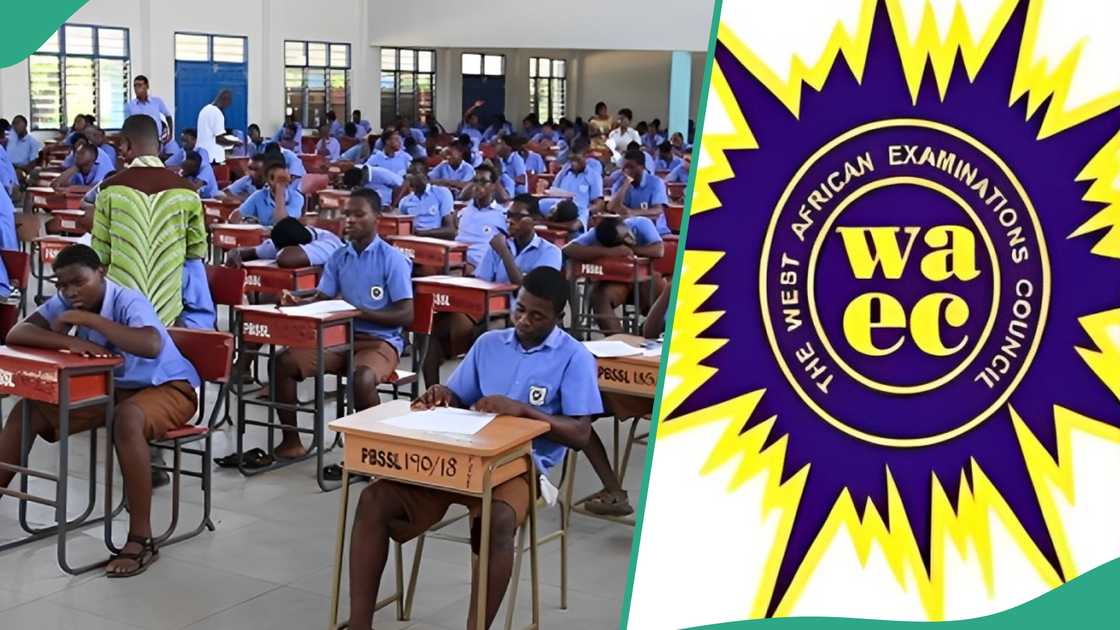
WAEC GCE Marketing Syllabus 2025/2026
The 2025/2026 WAEC GCE Marketing syllabus covers foundational concepts in marketing, consumer behavior, product development, and sales strategies. It prepares candidates for careers in business, commerce, and entrepreneurship.
This syllabus is designed for candidates preparing for the West African Senior School Certificate Examination (WASSCE) for Private Candidates (GCE). It emphasizes both theoretical knowledge and practical understanding of marketing principles and practices.
Scheme of Examination
- Paper 1: Objectives
- 50 multiple-choice questions
- Duration: 1 hour
- Marks: 50
- Paper 2: Essay
- Section A: Four theory questions; answer two
- Section B: Five application-based questions; answer three
- Duration: 2 hours
- Marks: 100
Core Syllabus Topics
1. Introduction to Marketing
- Meaning, scope, and importance
- Functions of marketing
- Differences between marketing and selling
2. Marketing Concepts and Philosophies
- Production, product, selling, marketing, and societal concepts
- Evolution of marketing
3. Marketing Environment
- Internal and external environments
- Micro and macro factors
- SWOT analysis
4. Consumer and Buyer Behavior
- Types of consumers
- Buying decision process
- Factors influencing consumer behavior
5. Market Segmentation
- Meaning and bases of segmentation
- Targeting and positioning
- Benefits of segmentation
6. Marketing Mix (4Ps)
- Product: types, life cycle, branding, packaging
- Price: strategies, discounts, pricing objectives
- Place: channels of distribution, logistics
- Promotion: advertising, sales promotion, public relations, personal selling
7. Product Planning and Development
- Idea generation and screening
- Product design and testing
- Commercialization and launch
8. Salesmanship and Selling Process
- Qualities of a good salesperson
- Steps in the selling process
- Types of selling
9. Advertising
- Objectives and media types
- Advantages and limitations
- Ethics in advertising
10. Distribution and Logistics
- Types of distribution channels
- Role of intermediaries
- Warehousing and inventory management
11. Marketing Research
- Meaning and importance
- Types and methods
- Data collection and analysis
12. International Marketing
- Features and challenges
- Export and import procedures
- Trade barriers and global strategies
13. E-Marketing and Digital Tools
- Online marketing platforms
- Social media and mobile marketing
- Benefits and limitations
14. Ethics and Social Responsibility
- Ethical issues in marketing
- Consumer protection laws
- Corporate social responsibility
Sample Questions
Objective Example:
Which of the following is not part of the marketing mix?
- Product
- Price
- Profit
- Promotion
Answer: C. Profit
Essay Example:
Explain five factors that influence consumer buying behavior.
Answer Tip: Include cultural, social, personal, psychological, and economic factors.